
TCL-张力器-800x800.jpg "Mechanical Tensioner-tcl")
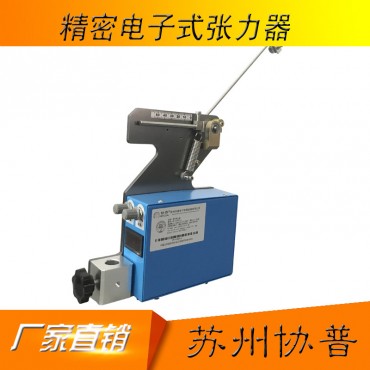
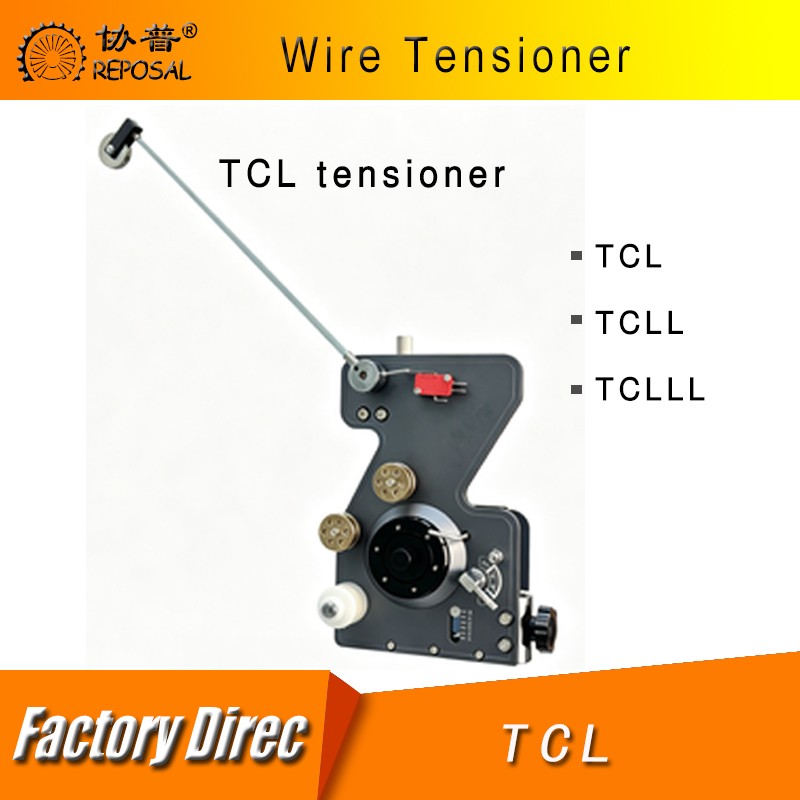
Mechanical Tensioner-tcl
- Brand: 协普/REPOSAL
- Product Code: tensioner-tcl
- Availability: In Stock
- Ex Tax: login to see prices
Model & Specification:
| TCL Tensioner | Specification | Tension Range | Wire Size | Dimension |
| TCL Tensioner | TCL | 200-2000 | 0.2-0.6 | 8*10*29 |
| TCLL | 1000-5000 | 0.5-1.2 | 8*10*29 | |
| TCLLL | 2000-10000 | 0.6-2.0 | 8*10*29 |
Product Introduction:The TCL series mechanical tensioner has the following features:
|
Product Commissioning:
Slide the counter-tension adjusting knob to adjust counter-tension. Move right: Increase counter-tension Move left: Decrease counter-tension Turn the tension wheel tightness knob to adjust tension. Clockwise rotation: Increase tension Counterclockwise rotation: Decrease tension
|
Product Installation:
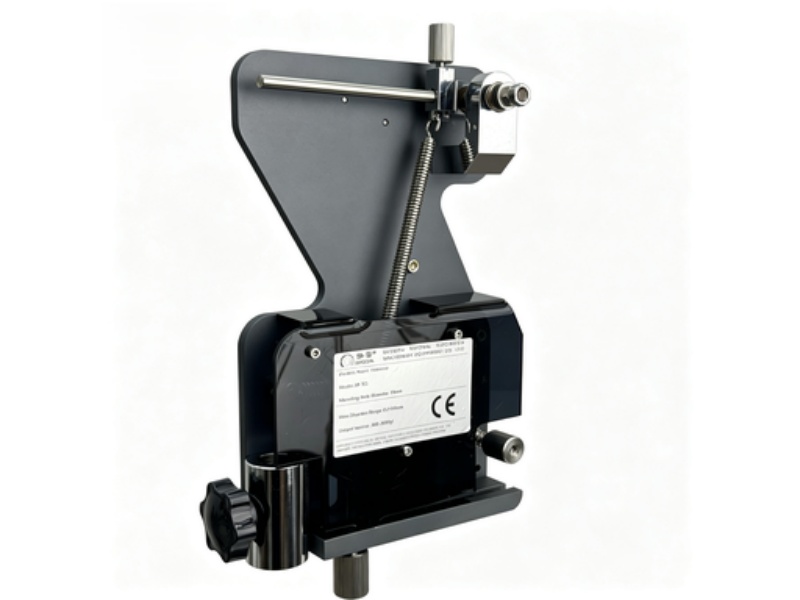
1. Insert the mounting base into the fixing rod and tighten it with the fixing handle.
2. Loosen the set screw on the tension rod fixing base, insert the tension rod into the rotating shaft, and then tighten the set screw.
3. Select an appropriate tension spring according to the wire diameter range and tension range of the selected tensioner. Use a thicker tension spring for higher tension and a thinner tension spring for lower tension.
Notes:
1. Do not touch the tension lever and various rollers during operation.
2. Prevent the tensioner from falling and avoid damage caused by strong impact.
3. Adjust the felt pressure (do not set it too high) and tension spring force appropriately during use to ensure normal operation of the tension roller.
4. When enameled wire passes through the wire guide roller, check whether the wire is placed on each guide roller to ensure that the guide rollers can rotate smoothly without jamming during operation.
5. No oil contamination is allowed under the tension roller; otherwise, normal operation will be affected. If oil contamination occurs, soak cotton thread in anhydrous alcohol and pull it back and forth in the groove of the tension roller to clean oil stains on the O-ring.
6. Felt, wire guide rollers and tension levers are wearing parts. Even within the warranty period, corresponding fees shall be charged for replacement of the above worn components, subject to the factory's quotation at that time.
7. It is forbidden to operate with mismatched machine models, exceed parameter limits during operation, or disassemble components without authorization.
8. If enameled wire with wax coating is used, frequently clean the wire passing parts and replace the felt regularly. Failure to do so may lead to unstable tensioner performance or slipping of wire guide rollers, and shorten the service life of the O-ring inside the tension roller.
9. Clean tension rollers, felt, ceramic eyes, wire guide rollers and other parts regularly according to operating conditions.
.png)
Common Troubleshooting:
Fault Phenomenon 1
The enameled wire jams the tension pulley, causing the tension pulley to stop rotating. Solution: Loosen the fixing screws and clean the tension pulley promptly.
Fault Phenomenon 2
Wire jamming or non-rotation of the tension arm wire guide wheel. Solution: 1. If the wire is too thin, it may get stuck outside the wire guide wheel disc; re-thread the wire. 2. The wire guide wheel may degrade after long-term use. Replace it if the issue is caused by aging.
Fault Phenomenon 3
Slippage of the tension pulley during operation. Solution: 1. Replace the felt immediately if it is contaminated with oil. 2. Clean the tension pulley promptly if it has oil stains.
Packing List:
| No | Name | Qty. (Quantity) | Unit | Configuration |
| 1 | Mechanical Tensioner | 1 | Set | Standard |
| 2 | Tension Arm | pcs tension arms as standard, subject to model | ||
| 3 | Locking Handle | 2 | Piece | Standard |
| 4 | Locking Handle | pc standard, depending on model | ||
| 5 | Felt | 2 | Piece | Standard |
| 6 | Instruction Manual | 1 | Piece | Standard |